


Rethinking Our Final Footprint
By Aedanaya Diamond
As more of us try to live with care for the planet, it may be worth asking a question that doesn’t come up very often: what kind of impact do we leave behind at the very end of our lives?
For generations, burial and cremation have been the default. They’re familiar, widely available, and often chosen without much discussion. But both come with environmental costs that don’t always align with the values many of us hold.
Traditional burial can involve embalming chemicals, resource-intensive caskets, and concrete vaults, all of which take a toll on the environment. Cremation, while simpler in some ways, requires high heat and fossil fuels, releasing carbon dioxide and other pollutants into the air.
As awareness grows, so do alternatives that feel more in harmony with the natural world.
Aquamation: A Gentler Return
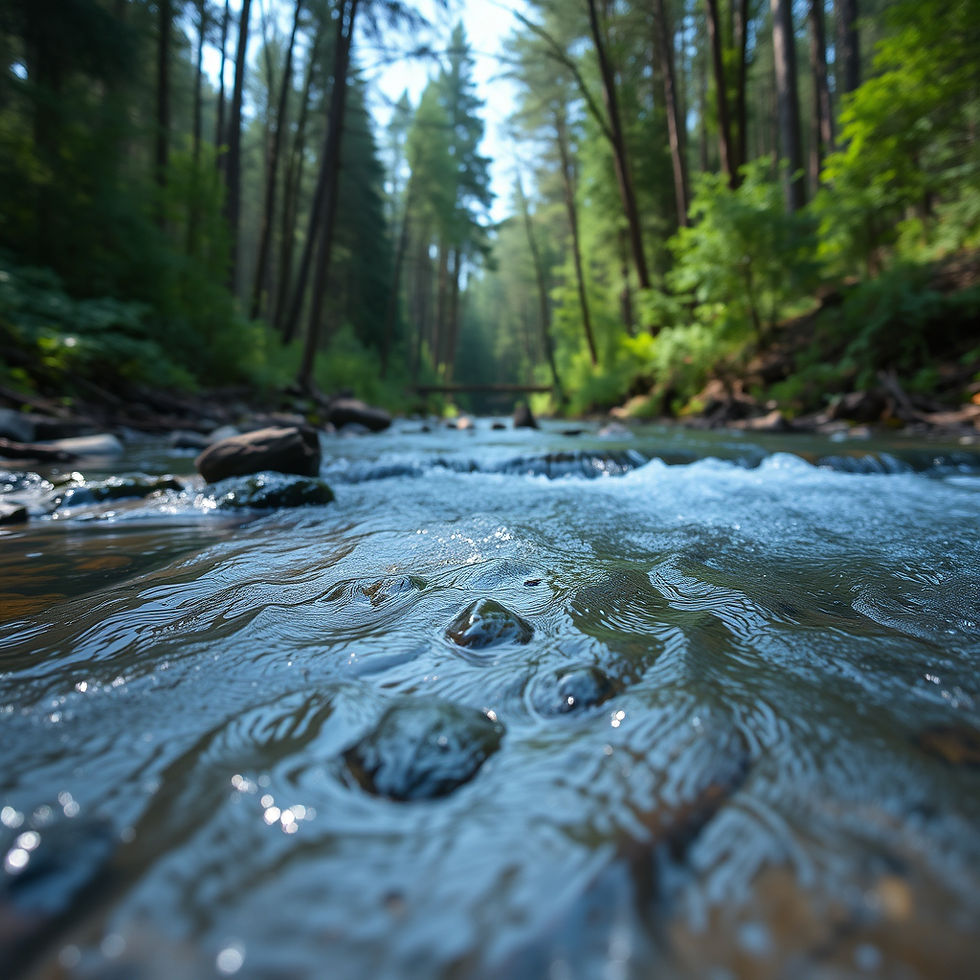
Aquamation, also called alkaline hydrolysis, offers a softer, water-based alternative to
cremation. Using warm water, gentle alkalinity, and time, the process mirrors natural
decomposition in a carefully managed setting.
What remains is similar to cremated ashes, along with a sterile liquid that can be safely returned
to the water cycle. It uses far less energy than flame-based cremation and avoids many of the
emissions associated with it.
For me personally, this isn’t just an abstract idea. My dog, Gus-Gus, is 18 now, and when he
passes, I plan on aquamation. The service near me allows you to choose group or individual
service (if you want your pet’s remains returned). You can learn more about their services here:
Afterward, there are options for memorial keepsakes like a plaque, urn, or jewelry, depending
on what feels right at the time. There’s also group aquamation, which would mean I wouldn’t
receive his remains back, and I’m still weighing which to choose. What matters more is that
aquamation is a more environmentally gentle choice compared to traditional options. It gives me
a way to honor him while also staying consistent with the values I try to live by.
Human Composting: Giving Back to the Earth
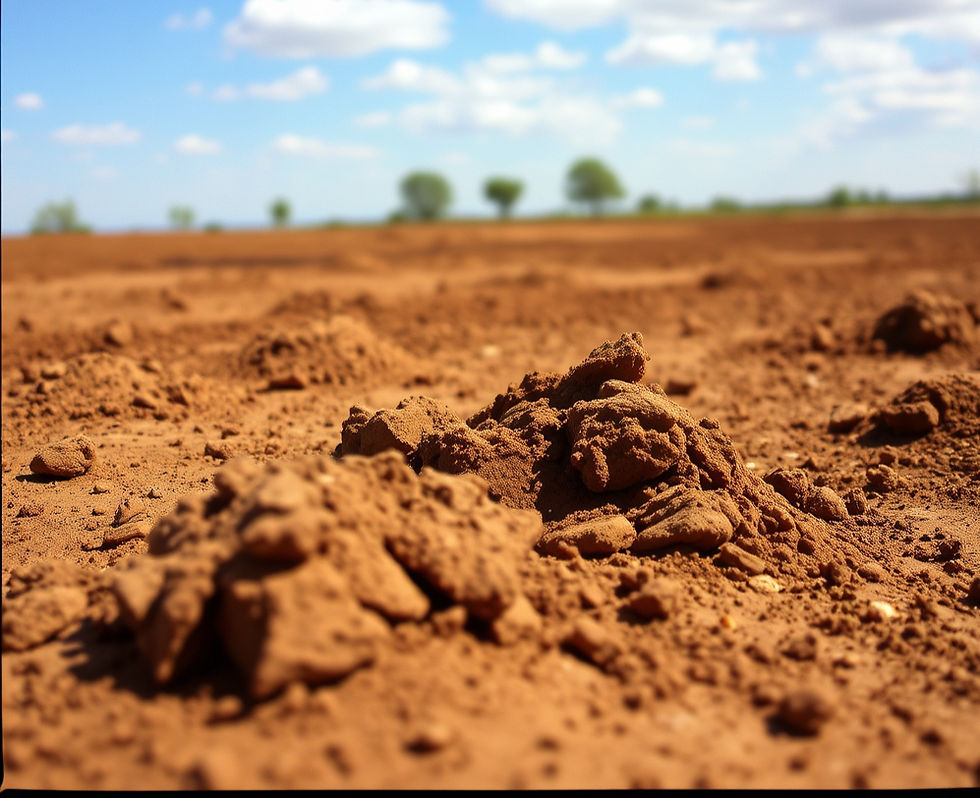
Human composting, or natural organic reduction, takes a beautifully direct approach. The body
is placed with natural materials like wood chips and straw, and over time, microbial activity
transforms it into nutrient-rich soil.
That soil can then be used to support plant life, restore ecosystems, or simply nourish the earth.
Instead of taking up space or releasing emissions, it becomes part of something living again.
I feel there’s something deeply comforting in that idea. Not just returning to the earth, but
actively helping it thrive.
Where These Options Are Available
These practices are still becoming more widely available, and access can vary quite a bit
depending on where you live.
For aquamation, there is a growing directory of providers across the United States, including
facilities that work directly with funeral homes and/or veterinary clinics. A helpful starting point
for finding locations is this national listing of aquamation providers: https://us-
Human composting is currently legal in a smaller number of states, but the list has been steadily
expanding. This overview keeps an updated breakdown of participating states:
Even where these options are legal, availability often depends on whether a local provider has
the facilities in place, so sometimes arrangements are coordinated through nearby regions or
specialized services.
If you live in a state where these options aren’t yet available, it’s sometimes possible to
transport remains across state lines to a place where they are.
Shifting Perspectives and A Legacy of Care
These options are not yet available everywhere, and they may not feel right for everyone. End-
of-life choices are personal, shaped by culture, belief, and family traditions.
But for those who have spent their lives trying to reduce harm and care for the planet, it can feel
meaningful to carry those values through to the end.
Thinking about death is never easy. But it can also be an opportunity to reflect on what matters
most.
Aquamation and human composting offer ways to leave the world a little lighter, a little kinder.
They remind us that even in our final chapter, we can choose care, connection, and a return that
gives something back.
And perhaps that is a kind of legacy worth considering. I know it is for me.
Comments